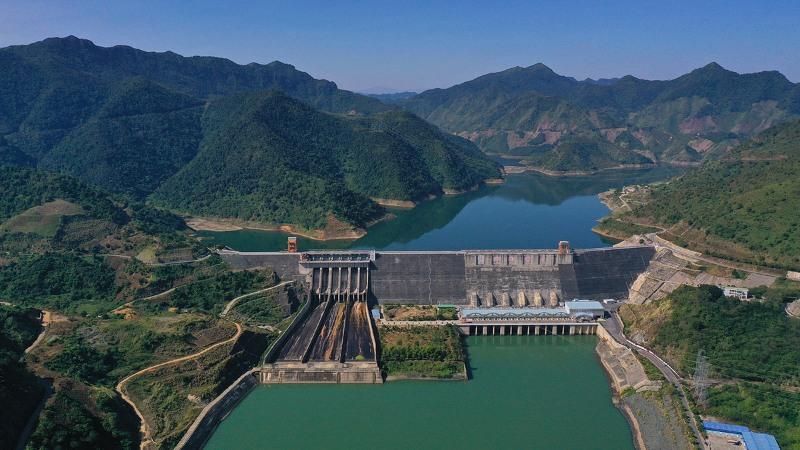
Japanese Investment Gains Ground
Over the past two years, Japanese firms have expanded their footprint in the province, signaling growing confidence in its long-term development trajectory. Two new Japanese-funded projects worth more than USD 135 million were approved in 2025, all concentrated in biomass energy - an industry viewed as critical to Vietnam’s transition toward a low-carbon economy.
The standout among them is the Erex Biomass Power Plant, a USD 116 million investment from Tokyo-based Erex Corporation. The project aims to generate renewable power from agricultural and forestry by-products, helping reduce emissions while creating a market for rural biomass materials. Once operational, the plant is expected to become a key contributor to the province’s clean-energy output.
In total, Tuyen Quang now hosts four Japanese FDI projects worth approximately USD 156 million. Though modest compared to Vietnam’s industrial hubs, the concentration of capital in green energy reflects a clear pattern: Japan is choosing to invest in sectors aligned with long-term sustainability rather than short-term industrial expansion.
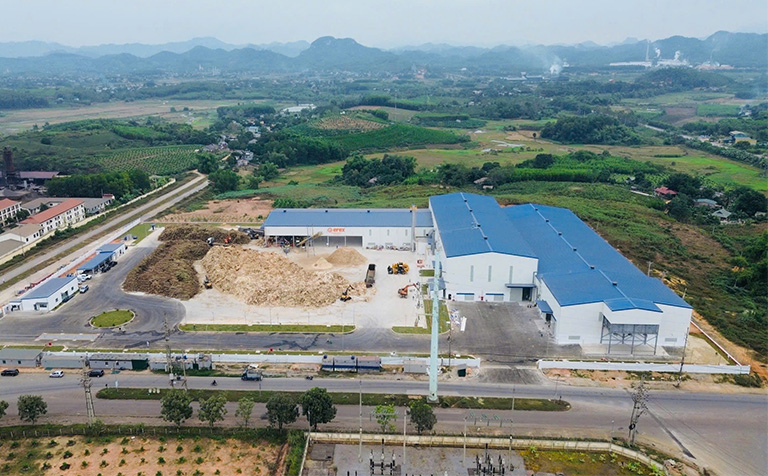
Erex Sakura Biomass Fuel Factory in Tuyen Quang invested by Japanese
ODA as a Backbone for Climate-Resilient Growth
Japan’s influence in Tuyen Quang extends beyond private investment. Japanese official development assistance (ODA) continues to play a major role in reducing the province’s exposure to climate risks and strengthening basic infrastructure - especially in areas home to ethnic minority communities.
One planned ODA project, valued at roughly USD 41.25 million, focuses on climate-resilient infrastructure, including roads, irrigation systems, and water management. Its mission: improve everyday living conditions while boosting the region’s ability to withstand extreme weather - a growing concern across northern Vietnam.
A second ODA initiative, worth more than USD 53.9 million, targets disaster-resilient rural development across seven communes. The project aims to reinforce supply routes, reduce vulnerabilities for remote villages, and narrow development gaps between lowland and highland communities.
Both investments underscore Japan’s long-standing strategy in Vietnam: pairing economic cooperation with long-term socio-economic stability.
A Province Aligning with Global Standards
The rise in Japan’s engagement with Tuyen Quang reflects more than natural resources or geographic potential. It is also the result of ongoing reforms meant to streamline administrative procedures, modernize public services, and create a more predictable investment climate.
Local authorities have emphasized digital governance, clean-energy priorities, and infrastructure upgrades - areas where Japanese investors traditionally expect high standards. These reforms have not only improved the business environment but have also aligned the province more closely with international expectations for transparency and sustainability.
For Japanese companies, Tuyen Quang offers a relatively untapped market with long-term potential. For the province, Japanese investment brings not only capital but also advanced technologies, management expertise, and development practices that could shape its growth model for decades.
A Partnership Defined by Practical Gains
Rather than sweeping political statements or symbolic gestures, the relationship between Tuyen Quang and Japan today is driven by practical benefits: renewable energy production, resilient infrastructure, and targeted assistance for vulnerable communities. The cooperation reflects a widening intersection between the province’s development priorities and Japan’s commitment to sustainable, climate-focused investment in Southeast Asia.
As northern Vietnam intensifies its competition for high-quality foreign investment, Tuyen Quang is carving out a distinct identity—one rooted in stability, environmental stewardship, and long-term economic planning. If the province maintains this trajectory, it could emerge as a model for green development across the northern highlands in the years ahead.
Author: Nguyen Thanh Hieu